REJUVA SOLE™
Rise Above the Ache™
Rise Above the Ache™
This is my research-based shortlist for women navigating stroke recovery, drop foot, AFO use, weakness, or balance concerns. I compare secure closures, stable bases, heel structure, traction, and room for braces or orthotics when appropriate. No single shoe is right for every foot, so use the “best if,” “avoid if,” pros, and cons below to narrow your options.
Written and researched by Tammy Eddy, founder of Rejuva Sole™. Last reviewed August 15, 2026.
I live with severe neuropathy, arthritis, chronic pain, balance limitations, and mobility challenges. That lived experience shapes the questions I ask about fit, stability, pressure, and ease of use. I spent hours comparing current manufacturer specifications, construction, available widths, closure systems, recurring customer feedback, and return policies. Unless I clearly say otherwise in a linked individual review, I have not personally worn every shoe on this list. These are my honest, personal, research-based assessments—not laboratory tests or medical recommendations.
Affiliate disclosure: Rejuva Sole participates in affiliate programs, including Amazon Associates. If you buy through a qualifying link, I may earn a commission at no extra cost to you. Affiliate status never guarantees a positive recommendation and does not change the price you pay.
Medical note: I am not a medical professional. Shoes cannot diagnose, treat, or cure arthritis, neuropathy, stroke effects, chronic pain, or another health condition. Fit and safety needs vary; consult a qualified clinician, podiatrist, physical therapist, orthotist, or other healthcare professional when appropriate—especially if you have loss of sensation, wounds, major swelling, an AFO, or a history of falls.
👉Read our complete review on the New Balance Women’s 928v3
Women with balance problems, an unsteady gait, nerve damage, or overpronation who need strong motion control and a stable walking platform.
You wear a bulky AFO or need a lightweight, flexible athletic shoe.
👉Read our complete review on the BILLY Goat Classic high
Women with drop foot who wear an AFO, brace, or orthotic and need a shoe that opens widely for easier entry.
You do not wear a brace and need maximum motion control for severe balance problems.
👉 Read our complete review on Orthofeet Women’s Coral
Women with nerve damage, limited mobility, swelling, or difficulty bending and tying shoes who need supportive, hands-free entry.
You wear a bulky AFO, have significant toe drag, or need a firm upper to hold a numb or narrow foot securely.
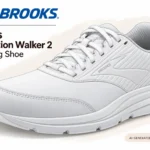
👉Read our complete review on Brooks Women’s Addiction Walker 2
Women with balance problems, overpronation, braces, or limited hand dexterity who need strong support and an easy, adjustable closure.
You wear a bulky AFO, have severe swelling, or need a lightweight and flexible athletic shoe.
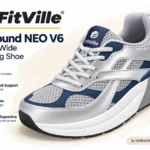
👉Read our complete review on FitVille Women’s Rebound Core V1
Women with wide or swollen feet, nerve damage, mild balance problems, or overpronation who want an affordable, supportive walking shoe.
You have narrow feet, significant foot drop, or wear a bulky AFO that requires substantial interior depth.
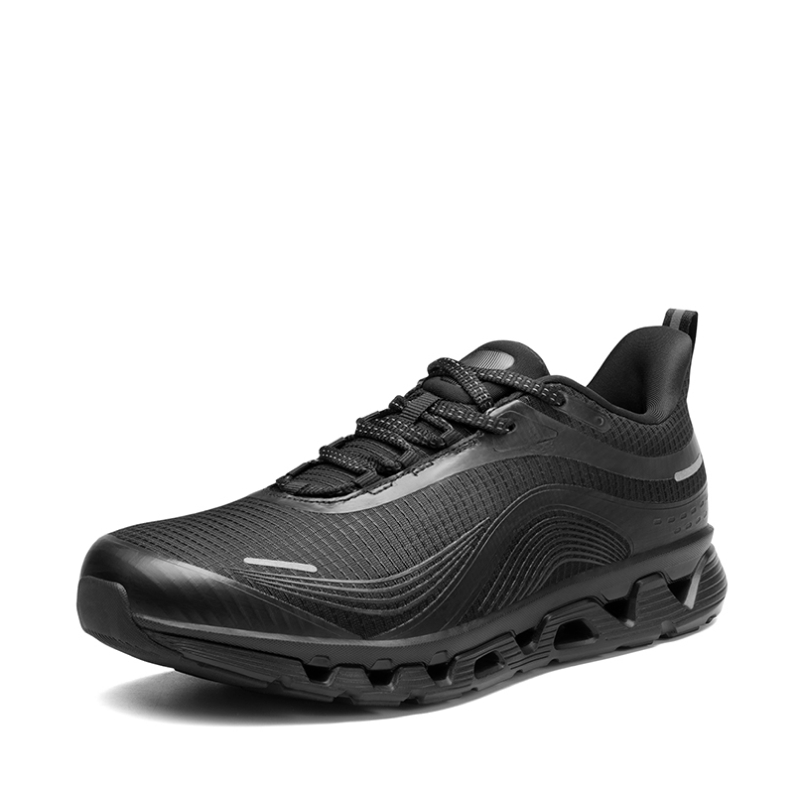
Save 20%: Use code GREEN20 at checkout on the NORTIV 8 website. Offer terms and availability can change.
ALLSWIFIT MovePlush — Women
Why it fits: Its broad A-shaped outsole, segmented rubber traction, and snug interior make it the most stability-focused choice in this small budget lineup.
Fit note: ALLSWIFIT currently offers standard widths only, and its shoes may run small. Check the current size chart and return policy before ordering.
👉Orthofeet Women’s Lorin Hands-Free Slipper
Women with nerve damage, mild balance difficulties, foot pain, or limited mobility who need an enclosed, supportive slipper for indoor use.
You have significant foot drop, pronounced toe drag, or severe balance impairment—a properly fitted indoor walking shoe may be safer.
Recommendations Test Indoors First: Wear your new shoes inside the house for 2 to 3 days. Do not wear them outside.
Don’t settle for the first shoe you try. Finding your “‘Sole Mate” sometimes takes trying more than one pair-and that’s perfectly okay.
Having the correct support and comfort for your specific needs is the priority.
My Commitment to You I live with disabilities and know firsthand the reality of fall risks and frequent ER visits.
Through Rejuva Sole, I am dedicating my “life and Sole” to helping you find you stable anchors, just as I found mine.
I am not a licensed physician, nurse, or podiatrist. The information provided is based on my personal experience.
Always consult with a qualified medical professional for medical advice, diagnosis, or treatment regarding your specific footwear needs.
I am an affiliate marketer. I receive a small commission on qualified purchases made through the links on this website at no additional cost to you.