REJUVA SOLE™
Rise Above the Ache™
Rise Above the Ache™
From Tammy: I wrote this guide from my perspective as the founder of Rejuva Sole™ and as someone living with neuropathy, arthritis, chronic pain, balance limitations, and mobility challenges. I spent hours reviewing current clinical guidance, footwear features, manufacturer information, and recurring user concerns. Unless I clearly say otherwise, I have not personally worn every shoe or product mentioned.
Affiliate disclosure: Some links may be affiliate links. If you make a qualifying purchase, I may earn a commission at no extra cost to you; compensation never guarantees a positive recommendation.
Important: I am not a medical professional. This article is educational and does not diagnose, treat, or cure any condition. Discuss significant pain, numbness, swelling, wounds, falls, or changes in walking with a qualified healthcare professional.
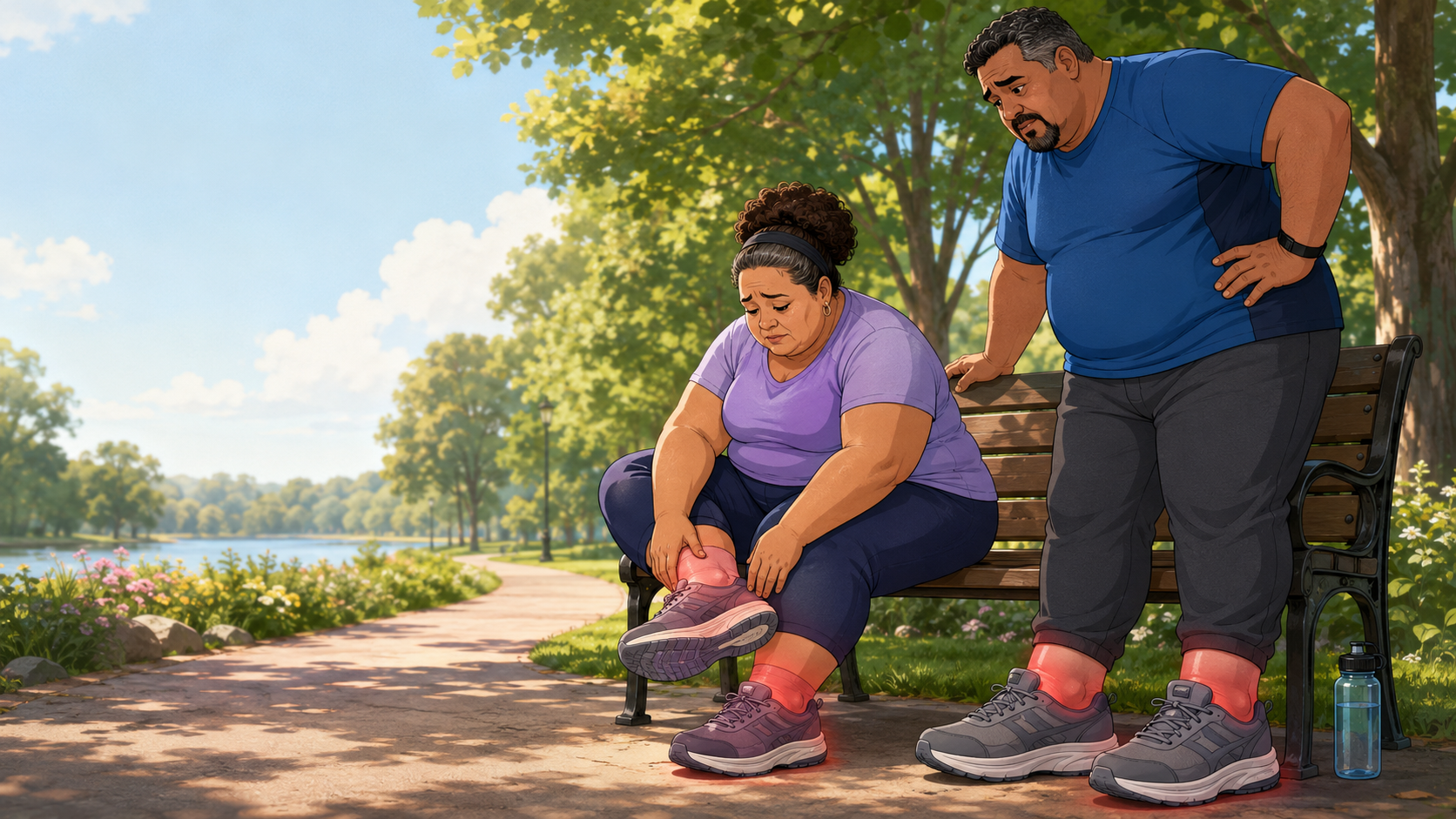
Finding shoes that truly fit can feel exhausting when you live with obesity, swelling, foot pain, balance concerns, or very wide feet. A shoe may look wide in the picture, yet still pinch across the toes, feel unstable under your weight, or become uncomfortable before the day is over.
At Rejuva Sole, I do not believe people should be shamed for their size, their mobility limits, or the shape of their feet. My goal is to help you understand what support features matter, compare your options clearly, and choose the shoe that feels most secure for your own body and life.
A supportive shoe cannot treat obesity or replace medical care. But the right fit may make standing, walking, errands, and everyday movement feel more comfortable and more secure.
Obesity is a complex chronic health condition—not a personal failure. It can occur alongside joint pain, fatigue, diabetes, circulation concerns, arthritis, back pain, knee pain, and reduced mobility. When feet and legs are carrying more load, an overly soft, narrow, worn-out, or unstable shoe may feel especially uncomfortable.
This is why “wide” alone is not enough. A roomy shoe still needs a stable base, a secure heel, and a sole that does not collapse too easily.
A well-chosen shoe may help by giving your foot more room, creating a more stable platform, holding your heel more securely, and reducing rubbing from a poor fit. Some people also find that a firmer sole, supportive insole, or slip-resistant outsole makes everyday walking feel more manageable.
However, shoes do not cure obesity, diabetes, neuropathy, arthritis, circulation problems, or foot deformities. If you have diabetes, loss of feeling, open sores, major deformity, severe pain, or recurring falls, please include your doctor, podiatrist, physical therapist, or orthotist in the decision.
Seek prompt medical care for a new open sore, redness or warmth, a major color change, sudden severe swelling, a foot that feels unusually hot, or a sudden change in your ability to walk.
For obesity, swollen feet, and XX-wide widths, I look beyond cushioning. I look for a Stable Anchor: a shoe that gives the foot a more secure foundation.
A shoe should have a base that feels steady under the foot—not narrow, tippy, or overly curved. For many people, stability matters more than a thick layer of soft foam.
Look for brands that offer wide, extra-wide, 2E, 4E, or XX-wide choices when needed. Width labels are not standardized between brands, so always check the brand’s size chart and return policy.
Toes need space to spread naturally. A roomy toe box may be especially helpful for bunions, swelling, hammertoes, sensitive feet, or wide forefeet.
The heel counter is the supportive part around the back of the shoe. A firmer heel area can help the shoe feel more secure and reduce the “sliding around” feeling that some soft shoes create.
Very soft shoes can feel wonderful at first, but they may compress quickly or feel unstable for some people. A medium-firm, supportive sole often provides a steadier platform for walking.
Laces, Velcro straps, adjustable closures, and hands-free entry designs can all work well. The important question is whether the shoe keeps your foot safely in place without squeezing it.
A removable insole can create room for a prescribed orthotic, brace, or custom insert. It is especially useful for people whose support needs change over time.
A sturdy rubber outsole with reliable grip is important for errands, wet pavement, smooth store floors, and everyday walking.
What to Avoid
Never assume you must “break in” pain. Mild adjustment is one thing; pinching, burning, numbness, instability, or skin irritation is a sign to stop and reassess the fit.
Men often need a shoe with a durable sole, generous width options, and enough structure to handle daily walking without feeling soft or unstable. Extra-depth designs can also be helpful when swelling, orthotics, or foot shape make a standard shoe difficult to fit.
Affiliate Disclosure: As an Amazon Associate I earn from qualifying purchases
👉 How To Choose The Best Bariatric Shoes: Extra Wide Swollen Feet


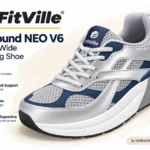
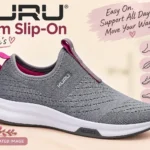
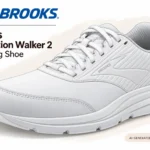
Use the table above to compare width availability, closure type, walking support, and the features that matter most to you. Then open the full review of any shoe that looks like a possible match.
Women may need the same strong foundation, but should not have to sacrifice comfort or personal style to get it. Look for shoes with a roomy toe box, adjustable fit, a secure heel, and a sole that feels stable under your body—not just soft under your feet.
👉 How To Choose The Best Bariatric Shoes: Extra Wide Swollen Feet


The comparison table is a starting point, not a command. Your comfort, stability, foot shape, medical needs, and daily routine matter more than a brand name.
“Together, we can Rise Above the Ache 🐦🔥”
I know that walking can become something people worry about instead of enjoy. You may be tired of shoes that pinch, roll, wear out too fast, or leave you feeling less confident than when you put them on.
You are not difficult to fit. You deserve footwear designed with enough room, support, and stability for your real life.
Rejuva Sole is here to translate the details into plain English. I research the features, explain the strengths and limits of each shoe, and help you compare your choices without pressure. You remain in control of the final decision.
The goal is not perfection. The goal is a more stable anchor—one step, one errand, and one comfortable day at a time.
Rejuva Sole is a resource, not a pressure-filled shoe store.
I research supportive footwear, explain what features may matter for your condition, and give you a thoughtful selection to compare. But I cannot feel your feet, walk in your body, or decide which shoe feels safest and most comfortable for your life. That choice is always yours.
You are welcome to purchase through a Rejuva Sole link if a recommended shoe feels right for you. You are also free to use what you learn here and buy from any store or brand you choose.
My priority is not pushing one shoe. My priority is helping you understand your options, choose with confidence, and find a more stable path forward.
The labels vary by brand. In many men’s shoes, 2E is often called wide and 4E extra-wide. In many women’s shoes, D may be wide and 2E extra-wide. Some brands use XX-wide wording instead. Always check the brand’s size chart because a “wide” shoe from one brand may fit very differently from another.
Not always. Cushioning can improve comfort, but an extremely soft shoe may feel unstable or compress too much for some people. Many people do better with a supportive, medium-firm sole and a wide, stable base.
Feet can swell for many reasons, including standing, heat, some health conditions, medications, injury, and circulation concerns. A shoe with adjustable closure and enough depth may help with changing fit, but ongoing or sudden swelling should be discussed with a healthcare professional.
Often, yes. Look for extra depth and a removable insole so there is room for your prescribed orthotic or brace. If you use an AFO or have a major foot deformity, ask your orthotist, podiatrist, or physical therapist for fit guidance.
Your heel should feel secure, your toes should have room to move, and the shoe should not rub, pinch, burn, or make your foot numb. Try new shoes indoors on clean floors first so you can use the return policy if the fit is wrong.
Contact a healthcare professional for open sores, skin color changes, unusual warmth, sudden swelling, severe pain, numbness, repeated falls, or a major change in your ability to walk. If you have diabetes or loss of feeling in your feet, regular foot checks are especially important.
Recommendations Test Indoors First: Wear your new shoes inside the house for 2 to 3 days. Do not wear them outside.
Don’t settle for the first shoe you try. Finding your “‘Sole Mate” sometimes takes trying more than one pair-and that’s perfectly okay.
Having the correct support and comfort for your specific needs is the priority.
My Commitment to You I live with disabilities and know firsthand the reality of fall risks and frequent ER visits.
Through Rejuva Sole, I am dedicating my “life and Sole” to helping you find you stable anchors, just as I found mine.
I am not a licensed physician, nurse, or podiatrist. The information provided is based on my personal experience.
this article is for education and does not replace medical advice, diagnosis, or treatment. Work with your healthcare team for personal recommendations.
Always consult with a qualified medical professional for medical advice, diagnosis, or treatment regarding your specific footwear needs.
I am an affiliate marketer. I receive a small commission on qualified purchases made through the links on this website at no additional cost to you.