REJUVA SOLE™
Rise Above the Ache™
Rise Above the Ache™
Affiliate disclosure: As an Amazon Associate, I earn from qualifying purchases. If you buy through a link on this page, I may earn a commission at no additional cost to you. Affiliate relationships do not change my conclusions.
How this review was created: I have not personally tested the SAS Journey Mesh. This SAS Journey Mesh review is my independent, research-based look at the current men’s model, using SAS product information, the shoe’s construction and fit features, and the practical questions Rejuva Sole readers ask about comfort, stability, width and mobility.
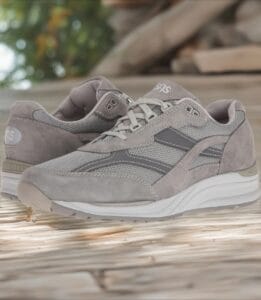
My short take: The SAS Journey Mesh is a premium men’s walking shoe for someone who wants a roomy forefoot, a snug heel, moderate cushioning and more built-in structure than a lightweight neutral trainer. Its stabilizing features are useful, but they do not make it a medical treatment or a true maximum motion-control shoe. At $219 when I checked, fit has to be right for the price to make sense.
The original review had the right idea when it focused on comfort, width choice and a stable walking platform, but several details needed a current check. SAS still sells the men’s Journey Mesh Lace Up Sneaker, item 2028. It is not the same shoe as the newer Journey Mesh LT or Journey Mesh Lux.
That is an unusually broad width menu. However, SAS does not offer every color, size and width combination at every moment. Check the exact configuration you plan to order instead of assuming that seeing “Triple Wide” on the parent listing guarantees your size is in stock.
Shop the men’s version through Rejuva Sole (affiliate).
The Journey Mesh does not chase the marshmallow-soft feel of a max-cushioned running shoe. Its comfort story is more traditional: a removable dual-layer footbed, TRIPAD® cushioning under the inside ball, outside ball and heel, plus a shock-absorbing midsole. That combination may appeal to someone who wants cushioning without a tall, very soft platform.
The leather-and-mesh upper should give more airflow than an all-leather walking shoe, while the padded lining and CoolSTEP™ footbed are meant to manage friction, heat and moisture. Still, “breathable” is relative. The leather overlays and substantial lining may feel warmer than an open engineered-mesh trainer, especially in hot weather.
I would not promise that this cushioning will reduce foot, knee, hip or back pain. A firmer, more predictable platform can feel reassuring to one person and too structured to another; a softer shoe can feel relieving to one person and unsteady to another. That middle ground matters more than a universal comfort claim.
This is where the Journey Mesh is more interesting than a basic cushioned sneaker. SAS pairs a forefoot stabilizer in the SteadyTrac™ midsole with an Arcfit™ heel stabilizer and a gripped outsole. Those pieces may make the base feel more predictable and help keep the heel from wandering inside the shoe when the fit is correct.
But cushioning, stability and motion control are not interchangeable. The Journey Mesh has stabilizing features; SAS does not present it as a maximum motion-control shoe for severe overpronation. If you need stronger gait guidance, compare it with a dedicated stability model such as the Brooks Adrenaline GTS 25 and ask a qualified clinician what matches your gait.
The 1.75-inch heel height is also worth noticing. It does not automatically make the shoe unstable, but anyone who is very sensitive to platform height or changes in ground feel should test it slowly indoors. No outsole, heel stabilizer or width label can guarantee balance or prevent a fall.
SAS describes the intended fit clearly: wide enough across the ball of the foot, roomy enough in front so the toes are not cramped, and snug at the heel without slipping. That practical fit target is more useful than simply saying the shoe “runs true to size,” because foot shape, socks, swelling and orthotics can all change what size works.
The six named width choices are a genuine advantage for feet that are narrower or wider than average. They can also help someone avoid sizing up in length just to gain width. The tradeoff is that SAS width names do not tell you the shoe’s internal volume, instep room or heel shape. A wide forefoot with a narrow heel, a high instep or fluctuating swelling can still require trial and error.
The removable footbed gives many orthotic users a sensible starting point. It does not prove that a bulky custom orthotic or AFO will fit. SAS does not describe this model as extra-depth, and a brace can change both volume and heel security. Test the exact device in the shoe while the return window is open.
SAS built its reputation around substantial comfort footwear, and the Journey Mesh uses a more traditional leather-and-mesh construction than many foam-first trainers. The original review praised its craftsmanship and durability. Those are reasonable strengths to consider, but I cannot promise a lifespan: wear patterns, body weight, walking surface, rotation and care all matter.
SAS calls the midsole and outsole flexible, and the D-ring EZ Lace™ system is designed to let the laces move easily. Even so, this is not a hands-free shoe. Someone with limited hand strength or dexterity still has to manage laces unless they add a separate adaptive solution.
SAS does not publish a weight for the standard Journey Mesh. I am not going to invent one. With its leather overlays, layered sole and heel structure, it may feel more substantial than a stripped-down athletic trainer. Readers who fatigue easily from shoe weight should compare it in person or buy from a seller with a clear return policy.
Neuropathy or diabetes: Width choice and a removable footbed can be useful, but neither makes the shoe automatically safe for an insensate foot. Check seams, pressure, skin and temperature carefully.
Swelling: Wide through Triple Wide options may help, but width is not the same as extra depth. If swelling changes during the day, fit the shoe at the time your feet are usually largest and confirm that the upper and lacing can accommodate the change without pressure.
Arthritis or limited dexterity: The D-ring lacing may reduce friction while tightening the shoe, but the Journey Mesh still requires tying. A hands-free or hook-and-loop design may be easier for some readers.
Balance concerns: The forefoot stabilizer, heel structure and gripped outsole may feel reassuring. The 1.75-inch heel and substantial build may feel less natural to someone who wants maximum ground feel. Test beside a stable support if you are at risk of falling.
Foot, knee, hip or back pain: The shoe may change how impact and movement feel, but the original review went too far by recommending it broadly for chronic pain. Pain has many causes, and no shoe can promise relief or proper alignment for everyone.
At Rejuva Sole, we look beyond brand names and marketing claims. The Journey Mesh gives you a real list of premium features: six named widths, a removable washable footbed, leather-and-mesh construction, heel and forefoot stabilizers, and a current direct listing from SAS. That can justify the price for a hard-to-fit foot when the shoe feels right.
It is harder to justify if you are paying for a medical result the shoe cannot promise, or if a lighter and less expensive walking shoe already fits you well. I would keep the Journey Mesh only after an indoor trial long enough to catch heel slip, forefoot pressure, warmth, fatigue and any feeling that the platform is too firm or too tall.
No. This is Tammy’s independent, research-based review. It does not claim firsthand wear or long-term testing of the SAS Journey Mesh.
The current SAS parent listing shows men’s sizes 6–15 and six width names: Slim, Narrow, Medium, Wide, Double Wide and Triple Wide. Available combinations vary by color and size, so verify the exact configuration before ordering.
It is a comfort walking shoe with a forefoot stabilizer, heel stabilizer and gripped outsole. Those are meaningful stability features, but SAS does not position the Journey Mesh as a maximum motion-control shoe.
The stock footbed is removable, which may help with an orthotic. The shoe is not advertised as extra-depth, so room for a bulky orthotic or AFO is not guaranteed. Test the exact device in the shoe.
No. A shoe can affect fit, cushioning, traction and how stable you feel, but it cannot diagnose or treat chronic pain and cannot guarantee fall prevention.
The SAS Journey Mesh deserves a place on the comparison list for men who value width choice, a roomy forefoot, a secure heel and controlled cushioning. I especially like that its support story is specific: SAS names the forefoot stabilizer, heel stabilizer, removable footbed and outsole rather than relying only on the word “comfort.”
My hesitation is the same one I have with any premium comfort shoe: the price and supportive language can make it sound more therapeutic than the evidence allows. It may be an excellent fit for one reader and too warm, heavy, firm, tall or structured for another. The honest answer comes from matching the shoe to your foot and gait, then testing it carefully—not from a “best for chronic pain” badge.
Try new shoes indoors on a clean surface while the return window is open. Check toe room, heel movement, pressure points, warmth, traction and stability for more than a few minutes. Stop if a shoe causes pain, numbness, skin irritation, new pressure or a feeling of instability.
I am not a physician, nurse, podiatrist or other medical professional. Rejuva Sole provides educational information based on lived experience and product research; it is not medical advice, diagnosis or treatment. Ask a qualified healthcare professional about symptoms, fall risk, circulation problems, braces, orthotics or footwear needs specific to you.
For more about how I research shoes and separate firsthand tests from research-only reviews, see About Tammy and Rejuva Sole. You can also read the full affiliate disclosure.