REJUVA SOLE™
Rise Above the Ache™
Rise Above the Ache™
From Tammy: I wrote this guide from my perspective as the founder of Rejuva Sole™ and as someone living with neuropathy, arthritis, chronic pain, balance limitations, and mobility challenges. I spent hours comparing footwear construction, fit, support, durability, prices, manufacturer information, and recurring buyer feedback. Unless I clearly say otherwise, I have not personally worn every shoe or product mentioned.
Important: I am not a medical professional. This article is educational and does not diagnose, treat, or cure any condition. Discuss significant pain, numbness, swelling, wounds, falls, or changes in walking with a qualified healthcare professional.
One of the biggest myths in the footwear industry is that a more expensive shoe is automatically a better shoe.
As someone living with neuropathy, chronic pain, muscle weakness, and mobility challenges, I’ve learned that the most important question isn’t how much a shoe costs.
Does the shoe provide the stability, support, and comfort your body needs?
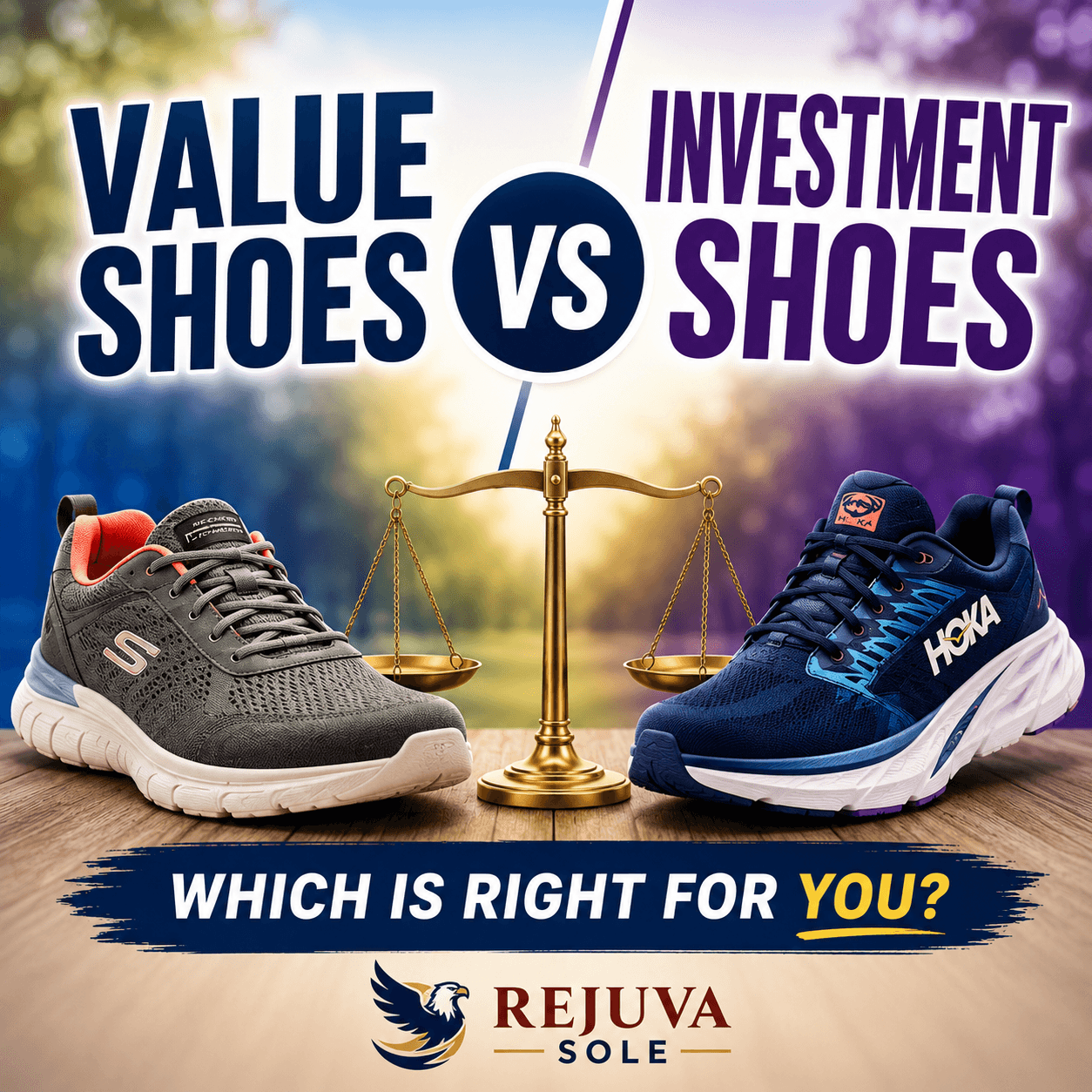
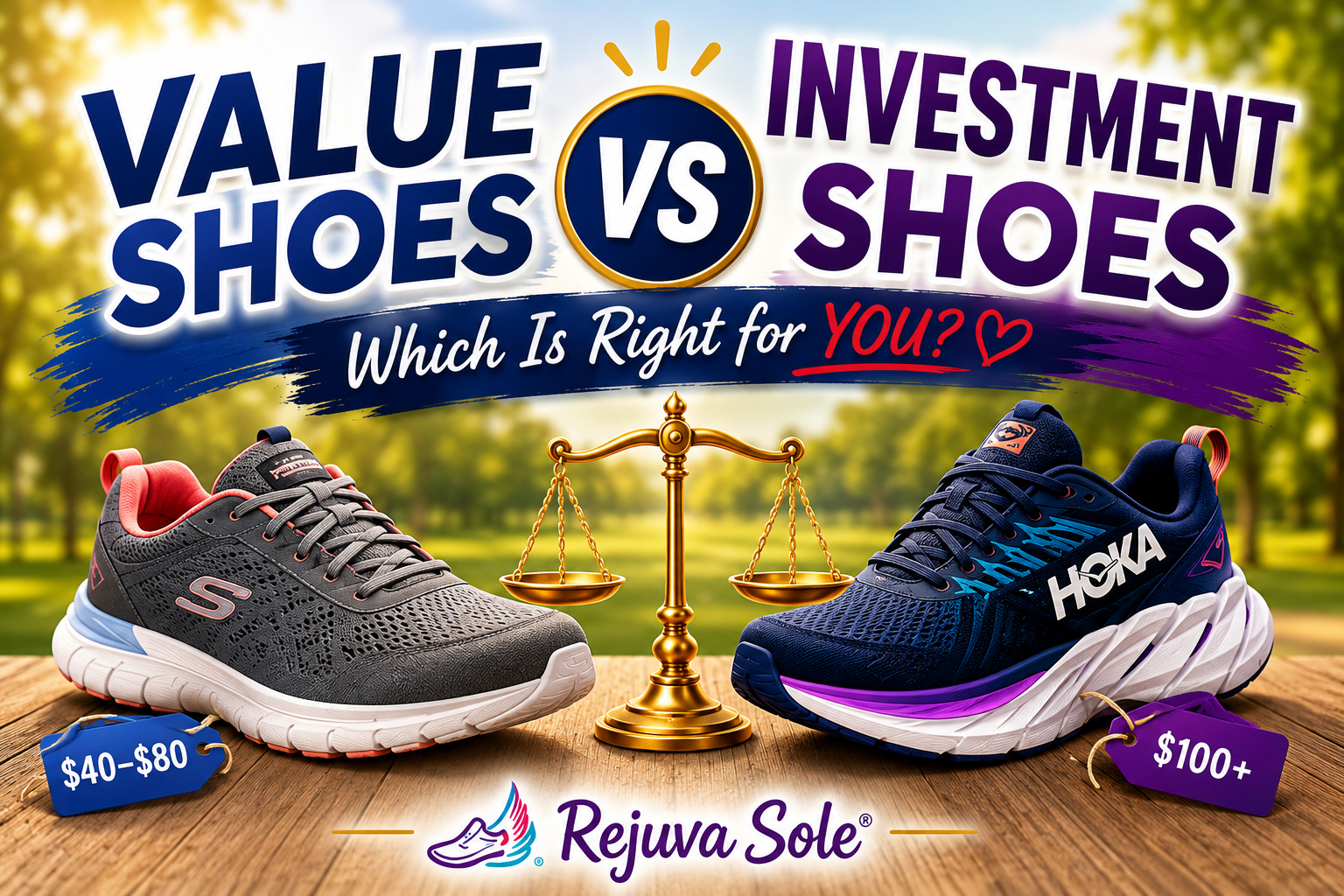
That’s why I prefer to think of footwear in two categories: Value Shoes and Investment Shoes.
Neither category is automatically better. They simply serve different needs.
Value Shoes typically cost between $40 and $80 and focus on providing comfort and support at an affordable price.
Brands such as Skechers, AllswiFIT, WalkHero, and Nortiv 8 often fall into this category.
Many people assume a lower-priced shoe must be lower quality. However, that is not always true.
Some Value Shoes are surprisingly comfortable and provide excellent support for everyday use.
In fact, if you placed a Value Shoe on one foot and an Investment Shoe on the other, many people would find both equally comfortable during the first few hours of wear.
I often think of Value Shoes like leasing a vehicle. They get the job done, cost less upfront, and can provide excellent service. However, they may need replacing sooner.
Investment Shoes typically cost $100 or more and are often built with more durable materials, stronger support systems, and longer-lasting construction.
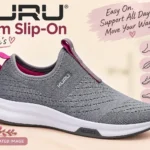
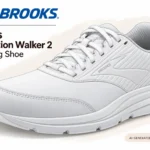
Brands such as Brooks, Orthofeet, New Balance, ASICS, Gravity Defyer, KURU, Drew, and SAS are commonly found in this category.
These shoes cost more initially, but many wearers find that the extra durability helps justify the investment.
Think of an Investment Shoe as your “Old Faithful.” Once properly broken in, it may become the shoe you reach for every day because you know exactly how it feels and how it supports your body.
👟 The biggest difference between a Value Shoe and an Investment Shoe is not usually comfort on Day One.
👟 The biggest difference is often what happens after months of daily wear.
👟 How long does the cushioning last?
👟 How long does the support remain effective?
👟 How long before the outsole wears down?
👟 How long before the shoe loses the stability that made it comfortable in the first place?
👟 These are the questions that separate Value Shoes from Investment Shoes.
👟 A Bad Expensive Shoe Is Still a Bad Shoe
👟 Price alone does not determine whether a shoe is right for you.
👟 I’ve seen affordable shoes provide excellent value, and I’ve seen expensive shoes that simply weren’t a good fit.
👟 The goal is not to buy the most expensive shoe.
👟The goal is to buy the right shoe.
👟 At Rejuva Sole, I don’t judge shoes by their price tag.
👟 I judge them by how well they help people move safely and comfortably.
👟 Some Value Shoes offer tremendous comfort and support for the money.
👟 Some Investment Shoes justify their higher cost through durability and long-term performance.
👟 Neither category is automatically better.
👟 The best shoe is the one that fits your feet, supports your mobility needs, and fits your budget.
👟 Because when it comes to footwear, value isn’t measured by the price tag.
👟 It’s measured by how confidently the shoe helps you move through your day.
Recommendations Test Indoors First: Wear your new shoes inside the house for 2 to 3 days. Do not wear them outside.
If the shoes lack support, feel uncomfortable, or do not feel right, return them. Find Your “Sole Mate”: It is completely normal to try several pairs before finding the perfect fit.
Having the correct support and comfort for your specific needs is the priority.
My Commitment to You I live with disabilities and know firsthand the reality of fall risks and frequent ER visits.
Through Rejuva Sole, I am dedicating my “life and Sole” to helping you find you stable anchors, just as I found mine.
I am not a licensed physician, nurse, or podiatrist. The information provided is based on my personal experience.
Always consult with a qualified medical professional for medical advice, diagnosis, or treatment regarding your specific footwear needs.
I am not a licensed physician, nurse, or podiatrist. The information provided is based on my personal experience.
Always consult with a qualified medical professional for medical advice, diagnosis, or treatment regarding your specific footwear needs.