REJUVA SOLE™
Rise Above the Ache™
Rise Above the Ache™
Affiliate disclosure: As an Amazon Associate, I earn from qualifying purchases. If you buy through a link on this page, I may earn a commission at no additional cost to you. Affiliate relationships do not change my conclusions.
How this review was created: I have not personally wear-tested this model. This is my independent, research-based review after spending hours comparing manufacturer and retailer information, design features, sizing and width details, and the practical needs of Rejuva Sole readers.
My short take: The Orthofeet Vito Slipper is worth comparing if your priorities include indoor stability, adjustable fit, support and comfort. It is not a medical device, fit is individual, and I would only keep it after a careful indoor trial.
Important limitation: Reduced sensation can hide rubbing or pressure, and no slipper can treat neuropathy. Check traction, heel security and skin condition.
Affiliate Disclosure: As an Amazon Associate I earn from qualifying purchases
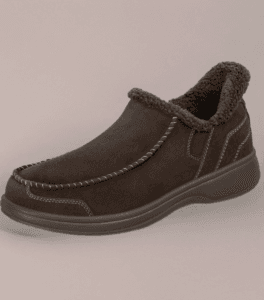
Many people invest in supportive walking shoes but switch to flat, unsupportive slippers as soon as they get home. Unfortunately, that’s where many slips and falls happen. The Orthofeet Men’s Vito Orthopedic Slipper was designed to change that by combining the warmth of a comfortable house slipper with the support and stability of an orthopedic shoe.
Designed for men living with neuropathy, diabetes, arthritis, plantar fasciitis, swollen feet, and other foot conditions, the Vito provides a roomy fit, adjustable comfort, and dependable support for everyday indoor wear. Its water-repellent upper also makes it practical for quick trips outside to the mailbox, porch, or garage.
At Rejuva Sole, every shoe and slipper is evaluated using my Stable Anchor Footwear philosophy: stability, secure fit, roomy toe box, controlled cushioning, orthotic compatibility, adjustability, and overall comfort. The Orthofeet Vito performs exceptionally well in every one of these categories.
The Orthofeet Vito may not be the best choice if you:
The Vito isn’t simply a comfortable slipper—it was designed as supportive everyday footwear for people who need more protection than traditional slippers provide.
For people with neuropathy, wearing supportive footwear inside the home can be just as important as wearing supportive shoes outdoors.
Most traditional slippers have soft, flexible soles that provide very little support.
The Vito features a supportive orthopedic outsole that creates a much more stable walking platform.
That added stability can help improve confidence while walking through the house, especially for people living with neuropathy or balance concerns.
One of the Vito’s standout features is its hands-free design.
The structured heel allows many people to slip the slipper on more easily without constantly bending over, making it especially helpful for individuals with arthritis, limited mobility, or back pain.
For many people, easier on-and-off access means they’re more likely to wear supportive footwear instead of going barefoot.
Unlike many fabric slippers, the Vito features a water-repellent upper that helps protect against light moisture.
Whether you’re stepping onto a damp porch, checking the mailbox, or letting the dog outside, this added protection makes the slipper much more versatile than a typical house slipper.
The generous toe box provides additional room for:
Reducing pressure on painful areas may make a noticeable difference during long periods of wear.
I reviewed the features described for the Orthofeet Vito Slipper with the questions that matter most to me as someone living with neuropathy, chronic pain, and mobility limitations: Is the base likely to feel predictable? Is the heel secure? Are there useful width or closure options? Could the cushioning or geometry create a tradeoff for balance? Product details and availability can change, so verify the exact model, size, and return policy before buying.
No. This review is based on my independent product research and my experience evaluating footwear features for people with pain, neuropathy, balance concerns, swelling, and mobility limitations. I do not claim hands-on use when I have not personally tested a shoe.
No. Shoes may affect comfort, fit, or stability, but they do not diagnose, cure, or treat medical conditions. Persistent pain, numbness, swelling, skin changes, or fall risk should be discussed with a qualified healthcare professional.
Try it indoors on a clean surface while the return window is open. Check toe room, heel movement, pressure points, traction, and stability for more than a few minutes. If you use an orthotic or brace, test it with the shoe rather than relying on a width label alone.
Based on my research, the Orthofeet Vito Slipper deserves consideration for shoppers focused on indoor stability, adjustable fit, support and comfort. I would not call it universally “best,” and I would not promise medical relief. The honest decision comes down to whether its design matches your foot shape, gait, support needs, and ability to return it if the fit is wrong.
Try new shoes indoors while the return window is open. Stop if a shoe causes pain, numbness, skin irritation, new pressure, or a feeling of instability.
I am not a physician, nurse, podiatrist, or other medical professional. Rejuva Sole provides educational information based on my lived experience and hours of product research. It is not medical advice, diagnosis, or treatment. Ask a qualified healthcare professional about symptoms, fall risk, circulation problems, braces, orthotics, or footwear needs specific to you.
Affiliate reminder: I may earn a commission from qualifying purchases made through links on this page, at no additional cost to you. I do not let commissions determine what I say about a product.