REJUVA SOLE™
Rise Above the Ache™
Rise Above the Ache™
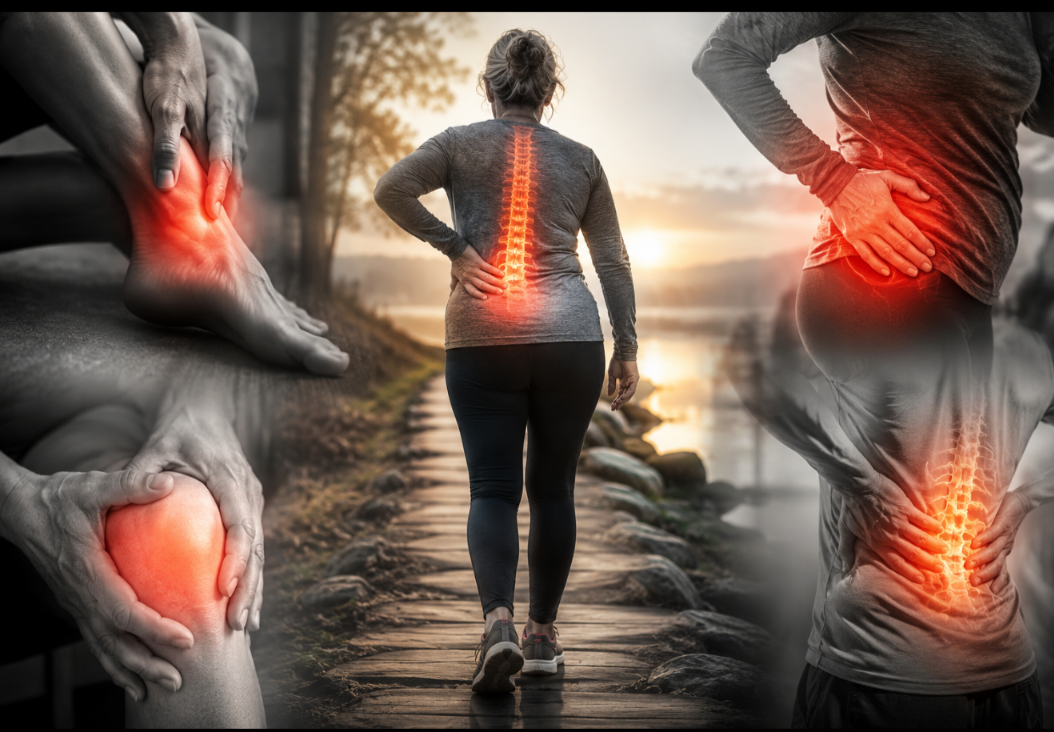
From Tammy: I wrote this guide from my perspective as the founder of Rejuva Sole™ and as someone living with neuropathy, arthritis, chronic pain, balance limitations, and mobility challenges. I spent hours reviewing current clinical guidance, footwear features, manufacturer information, and recurring user concerns. Unless I clearly say otherwise, I have not personally worn every shoe or product mentioned.
Important: I am not a medical professional. This article is educational and does not diagnose, treat, or cure any condition. Discuss significant pain, numbness, swelling, wounds, falls, or changes in walking with a qualified healthcare professional.
Living with chronic pain is exhausting.
For many people, the day begins before their feet even touch the floor. Every step can trigger aching feet, painful knees, stiff hips, or persistent back pain. Simple tasks like walking the dog, grocery shopping, standing in the kitchen, or playing with grandchildren may become difficult.
If you’ve found your way to Rejuva Sole, chances are you’ve already tried different shoes hoping to find relief.
While no shoe can cure chronic pain, the right footwear may help reduce unnecessary stress on your body and make everyday movement more comfortable.
Our goal is to help you understand why certain shoes work better than others so you can choose the one that best fits your condition, lifestyle, and budget.
Supportive shoes cannot repair damaged joints, cure arthritis, or eliminate chronic pain.
However, they can often reduce the forces placed on your feet and joints every time you walk.
A quality supportive shoe may help by:
✔ Absorbing impact
✔ Improving stability
✔ Supporting the arch
✔ Improving body alignment
✔ Reducing foot fatigue
✔ Helping distribute pressure more evenly
✔ Making walking more comfortable
Think of supportive footwear as one piece of your pain-management toolbox—not a miracle cure, but something that may help you stay active and maintain your independence.
Your feet are the foundation of every step you take.
When your feet lack support, the stress doesn’t stop there. It travels upward through your ankles, knees, hips, and lower back.
Over thousands of steps each day, even small improvements in alignment and cushioning may make a noticeable difference in how your body feels.
That’s why choosing the right footwear isn’t just about comfort—it’s about supporting your entire body.

Many people living with chronic pain benefit from custom orthotics prescribed by a podiatrist or other qualified healthcare professional.
Custom orthotics may help:
Most of the shoes recommended by Rejuva Sole include removable insoles, making it easier to accommodate custom orthotics if your healthcare provider recommends them.
If you already wear prescription orthotics, always make sure your shoes provide enough depth and stability to support both your feet and your orthotics properly.
One of the biggest mistakes people make is wearing supportive shoes all day—then switching to flat, unsupportive slippers at home.
Your feet still need support indoors.
A supportive slipper can help:
✔ Reduce foot fatigue
✔ Maintain arch support
✔ Cushion painful joints
✔ Improve stability
✔ Reduce the risk of slips and falls
If you spend several hours each day walking around your home, supportive slippers are just as important as supportive walking shoes.
Many people enjoy walking barefoot around the house.
For healthy feet, that may be perfectly fine.
However, people living with chronic foot pain, plantar fasciitis, arthritis, diabetes, neuropathy, or balance problems often benefit from wearing supportive footwear instead of going barefoot on hard surfaces.
Tile, hardwood, and concrete floors provide very little shock absorption and may increase discomfort.
If your healthcare provider has advised you to wear supportive footwear indoors, it’s generally best to follow that recommendation.
Supportive shoes work best when combined with healthy daily habits.
These may include:
Small changes practiced consistently often have a greater impact than searching for one perfect solution.
At Rejuva Sole, we don’t recommend shoes simply because they’re popular.
Every shoe is carefully researched using factors such as:
Our recommendations are designed to help you understand the strengths and limitations of each shoe so you can make an informed decision.
Rejuva Sole was created by someone who understands chronic pain firsthand.
I live with multiple chronic conditions and know what it’s like to search for answers while trying to stay active and independent.
This website wasn’t created to sell shoes.
It was created to simplify the research.
We compare supportive footwear, explain the features in plain English, and organize everything by medical condition so you can spend less time searching and more time finding shoes that may work for you.
Whether you purchase through one of our affiliate links or somewhere else entirely, our mission remains the same:
Help people Rise Above the Ache™.
No. Shoes cannot cure chronic pain, but supportive footwear may help reduce impact, improve stability, and make walking more comfortable.
Most walking shoes should be replaced after approximately 300–500 miles of use, or sooner if you notice worn tread, uneven wear, or reduced cushioning.
No. The best shoe is the one that fits your feet, supports your condition, and matches your activity level. Some budget-friendly shoes perform surprisingly well.
Follow your healthcare provider’s recommendations. Most people who use prescription orthotics benefit from wearing them consistently in supportive shoes.
Not necessarily.
However, if you have chronic foot pain, plantar fasciitis, arthritis, diabetes, neuropathy, or balance problems, supportive footwear indoors is often a better choice than walking barefoot on hard floors.
Yes. Supportive slippers help continue the support your feet receive from your walking shoes and may reduce discomfort while you’re at home.
Every person’s feet, medical conditions, and walking style are different.
A shoe that works well for one person may not work well for another. That’s why Rejuva Sole explains both the advantages and the limitations of every shoe we review.
If you’re experiencing chronic pain, these trusted organizations offer reliable information about common conditions.
Living with chronic pain can make even ordinary activities feel overwhelming.
While no shoe can eliminate pain, the right footwear may help reduce stress on your feet and joints, improve stability, and make everyday life a little easier.
Our hope is that the information on Rejuva Sole gives you the confidence to choose the shoe that best fits your unique needs.
Because every step forward—no matter how small—is still progress.
Rise Above the Ache™