Neuropathy: Understanding Your Feet, Your Walk, and How the Right Footwear Can Help
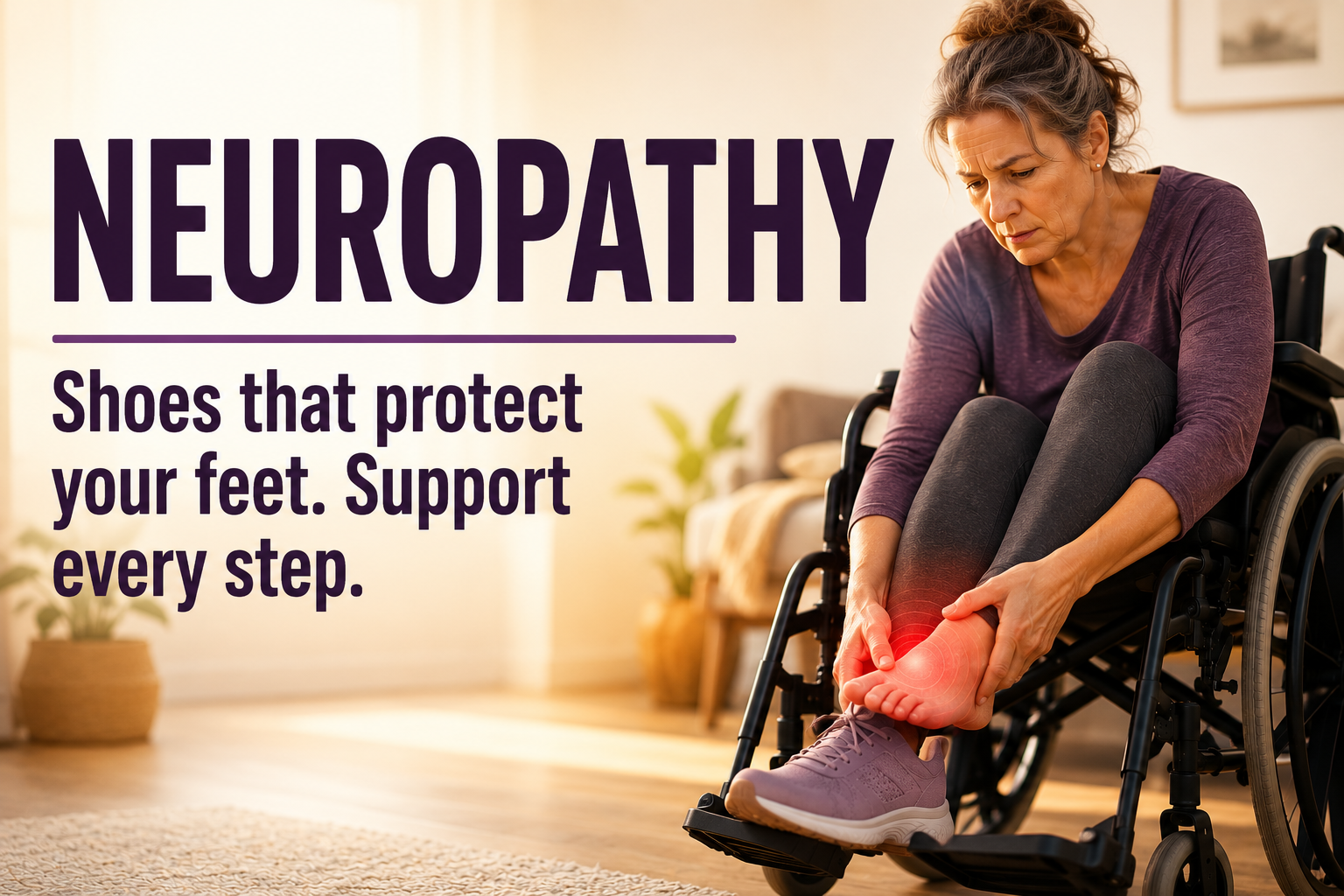
Living with neuropathy can make every step feel uncertain. What starts as tingling or numbness in your toes can gradually affect your balance, your confidence, and even your independence. Everyday activities like grocery shopping, walking the dog, or simply standing to cook dinner may become more difficult.
At Rejuva Sole, we understand those challenges. Our goal isn’t just to recommend shoes—it’s to help you understand why the right footwear matters and empower you to make the best choice for your feet.
👉 Read More on peripheral Neuropathy for John Hopkins
What Is Peripheral Neuropathy?
Peripheral neuropathy is damage to the nerves outside the brain and spinal cord. These nerves carry messages between your brain and the rest of your body. When they’re damaged, those messages don’t travel correctly, leading to changes in sensation, muscle strength, and balance.
Neuropathy has many causes, including:
- Diabetes
- Chemotherapy
- Autoimmune diseases
- Vitamin deficiencies
- Certain medications
- Alcohol abuse
- Infections
- Injuries
- Hereditary nerve disorders
Sometimes the exact cause is never identified.
Common Symptoms of Neuropathy
Neuropathy affects everyone differently. Some people experience pain, while others lose feeling completely.
Common symptoms include:
- Burning feet
- Tingling or “pins and needles”
- Numbness
- Sharp, stabbing pain
- Electric shock sensations
- Increased sensitivity to touch
- Feeling like you’re walking on rocks or thick socks
- Muscle weakness
- Poor balance
- Difficulty knowing where your feet are
Many people notice their symptoms become worse in the evening or at night.
How Neuropathy Affects the Way You Walk
Healthy nerves constantly tell your brain where your feet are and how they’re moving.
When those signals become weak or distorted, your body has to compensate.
You may notice that you:
- Walk more slowly.
- Take shorter steps.
- Shuffle your feet.
- Watch the ground constantly.
- Feel unstable on uneven surfaces.
- Catch your toes on rugs or curbs.
- Have difficulty walking in dim lighting.
- Feel less confident leaving the house.
These changes increase the risk of trips and falls, making supportive footwear more important than ever.
At Rejuva Sole, we’ve done the research so you don’t have to. Explore our carefully selected supportive shoes for
Why the Right Footwear Matters
Shoes can’t cure neuropathy, but they can make a tremendous difference in comfort, stability, and confidence.
The right shoes can:
- Improve balance
- Reduce pressure on sensitive areas
- Provide better support
- Help reduce fatigue
- Cushion painful feet
- Improve stability during walking
- Lower your risk of slips and falls
Choosing the right footwear is one of the simplest ways to protect your feet and improve your daily quality of life.
What to Look for in a Neuropathy Shoe
Not every comfortable shoe is a good neuropathy shoe.
Look for features such as:
A Stable Base
A wider sole helps provide better balance and confidence with every step.
A Supportive Heel
A firm heel counter helps keep your foot properly aligned and prevents excessive movement inside the shoe.
A Roomy Toe Box
Your toes should have plenty of space without rubbing or being squeezed together.
Soft Interior Materials
Smooth linings reduce friction and help prevent blisters or pressure points.
Adjustable Fit
Laces or hook-and-loop closures make it easier to accommodate swelling throughout the day.
Removable Insoles
These allow you to use custom orthotics if your healthcare provider recommends them.
Slip-Resistant Outsole
Good traction can help reduce the risk of slipping on smooth or wet surfaces.
Shoes That May Not Be the Best Choice
Some shoes may actually make walking more difficult if you have neuropathy.
Use caution with:
- Flip-flops
- High heels
- Worn-out athletic shoes
- Narrow shoes
- Very soft slippers with little support
- Shoes that allow your feet to slide around
Comfort is important—but stability is equally important.
Don’t Forget Daily Foot Care
Neuropathy can reduce your ability to feel cuts, blisters, or injuries.
That’s why it’s important to:
- Inspect your feet every day.
- Wear clean, properly fitting socks.
- Keep your skin clean and moisturized.
- Avoid walking barefoot.
- Contact your healthcare provider if you notice sores or wounds that aren’t healing.
Small problems can become serious if left unnoticed.
How Rejuva Sole Can Help
Choosing supportive footwear can feel overwhelming. There are hundreds of shoes claiming to be the most comfortable, but not every